
Chams Bernard esittää jonkinlaisia arvauksia tokaarinpuhujien liikkeistä ja niiden mahdollisista ajoituksista väitöskirjassaan Like Dust on the Silk Road: On the Earliest Iranian and BMAC Loanwords in Tocharian, kappaleessa 4.2, sivulta 242 alkaen. Hän esittää, että tokaarinpuhujilla olisi ollut kontakteja aiemmin tuntemattomaan iranilaiseen kieleen, jota hän kutsuu nimellä Old Steppe Iranian, ja myös toiseen aiemmin tuntemattomaan kieleen, jota hän kutsuu itäisen Bactria-Margiana-kulttuurin kieleksi. Nämä kontaktit olisivat tapahtuneet oletettavasti melko varhain:
”[W]e do not have hard evidence for the dating of these contacts [with the speakers of Old Steppe Iranian], however a series of arguments point towards the second half of the 2nd millennium and the first quarter of the 1st millennium BCE.” (s. 247)
”Chronologically, Tocharian speakers would first have come into contact with speakers of the so-called BMAC language, and only later with speakers of Old Steppe Iranian.” (s. 241)
Chams Bernard siis olettaa, että tokaarinpuhujat olisivat olleet ensin tekemisissä itäisen Bactria-Margiana-kielen kanssa ja sitten Old Steppe Iranian -kielen kanssa, vaikka hän pitää myös mahdollisena, että nämä kontaktit olisivat voineet tapahtua yhtä aikaa (tai vähemmän todennäköisesti jopa toisin päin).
Jos oletetaan, että tokaarinpuhujat olisivat olleet tekemisissä myös samojedikielen puhujien kanssa, olisiko se voinut tapahtua vielä aiemmin, eli aiemmin kuin 700-luvulla ennen ajanlaskun alkua? Sehän tarkoittaisi, että samojedikielen puhujia kannattaisi etsiä Altain suunnalta suhteellisen varhain, vaikka heidän oletetaan levinneen pohjoiseen vasta lähempänä ajanlaskun alkua tai sen jälkeen (esim. Khanina & Idimeshev, CIFU14-tiivistelmä).
Chams Bernardin ajoitukset eivät kuitenkaan edellytä sitä, että samojedikielen puhujat olisivat olleet alusta lähtien Altain suunnalla, vaan heillä olisi ollut aikaa siirtyä sinne myöhemminkin.
Tokaarin vaiheista
Tokaarin vaiheista
 Kirjoittaja merimaa » 14 Kesä 2025 23:01
- merimaa
- Lipevä lappilainen

- Viestit: 439
- Liittynyt: 17 Marras 2022 19:14
Re: Vesakoski, Salmela, Piezonka Uralic archaeolinquistics
Kirjoittaja Jaska » 16 Kesä 2025 08:00
merimaa kirjoitti:Jos oletetaan, että tokaarinpuhujat olisivat olleet tekemisissä myös samojedikielen puhujien kanssa, olisiko se voinut tapahtua vielä aiemmin, eli aiemmin kuin 700-luvulla ennen ajanlaskun alkua? Sehän tarkoittaisi, että samojedikielen puhujia kannattaisi etsiä Altain suunnalta suhteellisen varhain, vaikka heidän oletetaan levinneen pohjoiseen vasta lähempänä ajanlaskun alkua tai sen jälkeen (esim. Khanina & Idimeshev, CIFU14-tiivistelmä).
Chams Bernardin ajoitukset eivät kuitenkaan edellytä sitä, että samojedikielen puhujat olisivat olleet alusta lähtien Altain suunnalla, vaan heillä olisi ollut aikaa siirtyä sinne myöhemminkin.
Jos tokaarin puhuma-alue ei olisi esim. kiertänyt spiraalia vaan se olisi liikkunut/levinnyt johdonmukaisesti etelää kohti (emme tiedä, mikä on totuus), silloin samojedikontaktit olisivat vanhempia kuin mitkään tokaarin Keski-Aasiassa tai Kiinan alueella tapahtuneet kontaktit.
Uralilaisen kronologian kannalta esisamojedin siirtyminen Keski-Uralin seudulta itään on voinut tapahtua jo suunnilleen 1500 eaa. huiskeilla. Paljon myöhäisempikään siirtyminen ei näytä kovin todennäköiseltä, koska samojedin erilaistumiskehitys (itäuralilaisten muutosten jälkeen) ei näytä enää läheisyyttä minkään muiden kielihaarojen kanssa.
~ "Per aspera ad hominem - vaikeuksien kautta henkilökohtaisuuksiin" ~
Y-DNA: N1c1-YP1143 (Olavi Häkkinen 1620 Kuhmo? >> Juhani Häkkinen 1816 Eno)
mtDNA: H5a1e (Elina Mäkilä 1757 Kittilä >> Riitta Sassali 1843 Sodankylä)
Y-DNA: N1c1-YP1143 (Olavi Häkkinen 1620 Kuhmo? >> Juhani Häkkinen 1816 Eno)
mtDNA: H5a1e (Elina Mäkilä 1757 Kittilä >> Riitta Sassali 1843 Sodankylä)
-

Jaska - Ylihärmiö

- Viestit: 10156
- Liittynyt: 14 Helmi 2011 04:02
Re: Vesakoski, Salmela, Piezonka Uralic archaeolinquistics
Kirjoittaja merimaa » 17 Kesä 2025 17:40
Sanastollinen todistusaineisto samojedin ja tokaarin välisistä kontakteista näyttää olevan aika vähäistä. Kallio, Pystynen ja Warries ovat ehdottaneet joitakin lainasanoja suuntaan tai toiseen, yhteensä kuusi kappaletta. Holopainen on listannut näitä ehdotuksia ja tarkastellut lisäksi yhtä jo kantauraliin ehdotettua lainasanaa.
Holopainen toteaa, että tokaarin n-äänteen palatalisaatio voisi auttaa ajoittamaan lainasanoja. Hän puhuu asiasta uralilaisen *nimi-sanan yhteydessä, mutta Warries on myös ehdottanut, että samojedi olisi lainannut tokaarista kuuta tarkoittavan sanan, joka olisi lainautunut ennen tokaarin n-äänteen palatalisaatiota. Tähän liittyen Holopainen arvelee, että palatalisaatio olisi tapahtunut tokaarissa melko varhain:
"The age of the palatal *ñ is crucial as this would rather have been borrowed as Uralic *ń. Palatalization seems to have occured quite early as it predated the merger of PIE *e, *i and *u in Tocharian (Peyrot 2019: 91; cf. Ringe 1996: 101–117); on the other hand, Peyrot connects the merger with Samoyed influence (that obviously was later than Proto-Uralic)."
"[A] possible borrowing from Tocharian into Samoyed: Tundra Nenets mʸenʸuy° ‘full moon’ < quasi-PSam. ±*mänüjə from post-PIE *mēnē > PT *mʸenʸe ‘moon’ (Blažek apud Napol’skikh 2001: 371–372). It is clear that the medial nasal was a plain nasal PSam. *n, not palatal *ń, as that would have become a glide y in Nenets between vowels; cf., e.g., PSam. *i̮ńə̑ ‘tame’ > NenT ŋiy° (SW: 25). This means that the borrowing should have taken place before Tocharian palatalisation had occurred[.]"
Warriesin väitöstilaisuus on joka tapauksessa huomenna ja ennakkotietojen perusteella hän on väitöksessään hylännyt joitakin aiemmin ehdotettuja lainasanoja, vahvistanut toisia lainasanoja ja ehdottaa myös joitakin uusia lainasanoja.
"Contacts with Uralic appear to have taken place in southern Siberia, originally home to the Samoyedic branch of the Uralic language family, which provides the crucial link between the Tocharian language and southern Siberia. Impact of Uralic has most probably caused drastic changes in the sound system and nominal morphology of Tocharian. Contact between Tocharian and Uralic was investigated by Abel Warries, who found that some comparisons proposed earlier have to be discarded, while some in turn are strengthened, and some lexical comparisons could be added."
Holopainen toteaa, että tokaarin n-äänteen palatalisaatio voisi auttaa ajoittamaan lainasanoja. Hän puhuu asiasta uralilaisen *nimi-sanan yhteydessä, mutta Warries on myös ehdottanut, että samojedi olisi lainannut tokaarista kuuta tarkoittavan sanan, joka olisi lainautunut ennen tokaarin n-äänteen palatalisaatiota. Tähän liittyen Holopainen arvelee, että palatalisaatio olisi tapahtunut tokaarissa melko varhain:
"The age of the palatal *ñ is crucial as this would rather have been borrowed as Uralic *ń. Palatalization seems to have occured quite early as it predated the merger of PIE *e, *i and *u in Tocharian (Peyrot 2019: 91; cf. Ringe 1996: 101–117); on the other hand, Peyrot connects the merger with Samoyed influence (that obviously was later than Proto-Uralic)."
"[A] possible borrowing from Tocharian into Samoyed: Tundra Nenets mʸenʸuy° ‘full moon’ < quasi-PSam. ±*mänüjə from post-PIE *mēnē > PT *mʸenʸe ‘moon’ (Blažek apud Napol’skikh 2001: 371–372). It is clear that the medial nasal was a plain nasal PSam. *n, not palatal *ń, as that would have become a glide y in Nenets between vowels; cf., e.g., PSam. *i̮ńə̑ ‘tame’ > NenT ŋiy° (SW: 25). This means that the borrowing should have taken place before Tocharian palatalisation had occurred[.]"
Warriesin väitöstilaisuus on joka tapauksessa huomenna ja ennakkotietojen perusteella hän on väitöksessään hylännyt joitakin aiemmin ehdotettuja lainasanoja, vahvistanut toisia lainasanoja ja ehdottaa myös joitakin uusia lainasanoja.
"Contacts with Uralic appear to have taken place in southern Siberia, originally home to the Samoyedic branch of the Uralic language family, which provides the crucial link between the Tocharian language and southern Siberia. Impact of Uralic has most probably caused drastic changes in the sound system and nominal morphology of Tocharian. Contact between Tocharian and Uralic was investigated by Abel Warries, who found that some comparisons proposed earlier have to be discarded, while some in turn are strengthened, and some lexical comparisons could be added."
- merimaa
- Lipevä lappilainen
- Viestit: 439
- Liittynyt: 17 Marras 2022 19:14
Re: Vesakoski, Salmela, Piezonka Uralic archaeolinquistics
Kirjoittaja Jaska » 17 Kesä 2025 18:37
Kiitos merimaa, erinomainen katsaus!
~ "Per aspera ad hominem - vaikeuksien kautta henkilökohtaisuuksiin" ~
Y-DNA: N1c1-YP1143 (Olavi Häkkinen 1620 Kuhmo? >> Juhani Häkkinen 1816 Eno)
mtDNA: H5a1e (Elina Mäkilä 1757 Kittilä >> Riitta Sassali 1843 Sodankylä)
Y-DNA: N1c1-YP1143 (Olavi Häkkinen 1620 Kuhmo? >> Juhani Häkkinen 1816 Eno)
mtDNA: H5a1e (Elina Mäkilä 1757 Kittilä >> Riitta Sassali 1843 Sodankylä)
-
Jaska - Ylihärmiö
- Viestit: 10156
- Liittynyt: 14 Helmi 2011 04:02
Re: Vesakoski, Salmela, Piezonka Uralic archaeolinquistics
Kirjoittaja merimaa » 17 Kesä 2025 22:57
Geneetikoilla on mahdollinen havainto samojedien tyyppisestä väestöstä Ob-joen yläjuoksulla, Novosibirsk Oblastin koillisosassa, ajanlaskun alun jälkeisinä vuosisatoina. Tämä käy ilmi Yusuf Can Özdemirin ISBA10-konferenssissa pitämästä esitelmästä ja tästä kuvasta, jonka Özdemir on näyttänyt viime vuonna Pariisissa toisessa konferenssissa.
"We present over 100 genomes from the 4th-14th centuries of the Altai region that shed light on complex population histories of the highly mobile Medieval communities in that area. Preliminary results show that the Medieval period inhabitants of the Altai had a heterogeneous genetic profile, being variously related to ancient and modern North Asian, East Asian and Eurasian steppe populations. The results indicate multiple population movement and admixture events, which happened possibly along the political changes in Central Asia. Bearing high Ancestral North Eurasian ancestry, the Samoyed-affiliated population of the Odintsovo culture was formed by an admixture between their genetically more northern ancestors and the nomadic Bulan-Koby people of the Altai, later assimilating and integrating various other steppe groups. The new data from the Bulan-Koby population, archaeologically connected with the nomadic empires Xiongnu, Xianbei and Rouran, suggest genetic connections with the proposedly Iranian-speaking Saka people. Early Turkic culture developed upon the Bulan-Koby culture in the study area. The data shows that Bronze and Iron Age steppe and East Eurasian precursor populations had genetic influences on later Turkic groups. East Eurasian ancestry increased significantly in the Altai region in the period after the establishment of the Turkic Khaganate. The collapse of the Second Turkic Khaganate heralded new population movements, saw the formation of the Turkic-related Srostki culture and accelerated the Turkification of Samoyedic people of Western Siberia."
Özdemirin mukaan Odintsovon kulttuuri olisi ollut samojedityyppisen väestön ja aron paimentolaisten muodostama ja samojedityyppinen väestö olisi tullut siihen pohjoisempaa Ob-joen varrelta, mihin Özdemirin kuvassa on merkitty vihreä alue nimeltä "Upper Ob". Arkeologian perusteella Aleksandr Kazakov (2024) esittää, että Odintsovon kulttuuri olisi muodostunut, kun alun perin pohjoisempana vaikuttanut Kulai-kulttuuri levisi etelään Altaille ja muodosti siellä paikallisia alakulttuureja.
"The Odintsovo culture of the forest-steppe Altai existed in the chronological range of the second half of the 4th century – 8th century [CE]. The formation of the Odintsovo culture took place on the territory of the forest-steppe Altai on the basis of the cultural layer of the Fominsky stage of the Altai variant of the Kulai culture. Cultural contacts of the population of the Odintsovo culture with their southern neighbors living in the Altai Mountains, the population of the Bulan-Kobin and Turkic archaeological cultures were extremely weak and episodic and were reflected only in the borrowing of some elements of material culture (inventory complex)."
"[T]he penetration of the Kulai influence into the territory of the forest-steppe Altai is observed earlier than the population change noted by M.P. Gryaznov in the 2nd century AD, caused by a mass migration wave. Such a migration was prepared by long-term and fairly peaceful contacts that took place over a long chronological period (Ivanov, 2000, p. 135; 2016, p. 33). The migration of the Kulai population was not a one-time phenomenon, but was prepared by earlier contacts, which are recorded in archaeological material from the 3rd century BC and are associated with the infiltration of small groups of the Kulai population, represented by representatives of the Novosibirsk variant of the Kulai culture. The presence of features of the Bolsherechensk population of the Scythian-Saka cultural circle in their culture allowed these migrants to coexist quite peacefully with the representatives of the Kamensk and Staroaleyka cultures of the forest-steppe Altai. This peaceful coexistence was also facilitated by the absence of a conflict of interest associated with the ownership of the means of production. The Bochantsevsky stage is the first in the development of the Kulai population of the forest-steppe Altai territory and dates back to the 3rd-2nd centuries BC."
"The second stage is associated with the second migration wave of the Kulai population from the territory of the Tomsk Ob region (Kazakov, 2020, p. 19), the basis of which was the Sarov population, which found in the Novosibirsk Ob region territories already developed by the Kulai people and was forced to move south, to the area of the village of Bolshaya Rechka, where they settled, actively interacting with the local population of the Staroaleyka archaeological culture. This led to the formation of the Fominsk complexes. The Sarov stage dates back to the 1st century BC – 1st century AD. The migration route of the Sarov population passed through large forest areas on the right bank of the Ob River."
"The third stage is represented by the complexes of the Fominsk stage of the Kulai culture. The culture of the Fominsk stage developed on the basis of the culture of the population of the Sarov stage of the Tomsk Ob region. The process of cultural genesis was complex and differed from that in the adjacent territories. In the Blizhnie Elbany region, the Sarov tribes transformed their cultural traditions as a result of interaction with representatives of the Kamensk and Staroaleyka cultures. The preserved monolithic nature of the main culture-forming features allows us to speak of their evolutionary transformation. The established culture of the Fominsk stage turned out to be very resilient, spreading to adjacent territories, leaving there quite striking monuments like the Ust-Abinsk burial ground."
Vesakoski, Salmela ja Piezonka mainitsevat "Uralic archaeolinguistics" -tekstissään sivulla 367, että Kulai-kulttuuri saattaisi liittyä myös nykyisten ugrien esivanhempiin. Sehän olisi luontevaa, jos Kulai-kulttuurin länsiosa liittyisi ugrien esivanhempiin ja itäosa samojedien esivanhempiin. Tosin tässä kartassa Kulai-kulttuurin länsipuolella on myös Itkul-kulttuuri (nro 2), joka sopisi sijaintinsa puolesta paremmin ainakin mansien ja unkarilaisten esivanhemmille.
"Around 600 BC, along the middle Ob' and its tributaries, the extensive Kulaika cultural complex developed. Connected to the adoption of horses in these more northerly regions, it is characterized by the emergence of rectangular fortified settlements with regular rows of houses inside. The economy in taiga and tundra continued to be based on hunting, fishing, and gathering. [...] From the third century BC onwards, Kulaika groups migrated along the rivers to the fringes of the tundra in the north and far south along the upper Ob' to the Altai foothills (Schneeweiss 2007) (see Figure 20.4, Plate section 1). Kulaika persisted into the fourth century AD and was followed by related traditions throughout the early medieval period up until ca. 800 AD (Parzinger 2006). The Kulaika cultural complex has been associated with Ugric-speaking groups (Molodin 2005)."
Belyayev ja Chindina ehdottavat, että Kulai-kulttuurin väestö olisi valmistanut kupariesineitä ja hankkinut metallia esineiden valmistukseen muiden kulttuurien alueelta. Näitä kulttuureja olisivat olleet pohjoisessa Ust-Polui, etelässä Sargat ja Bolscherechenskaya ja idässä Tagar ja Tsepan. Viimeksi mainittu yhdistyy Daniel Tabinin julkaisemassa posterissa jeniseiläiseen-perimäkomponenttiin, joka voisi edustaa nykyisten jeniseiläisten eli ketien esivanhempia.
Geneettinen ja arkeologinen todistusaineisto viittaavat siis siihen, että samojedien tyyppistä väestöä olisi voinut asua Ob-joen yläjuoksulla, josta sitä olisi siirtynyt etelämmäksi Altaille ehkä jo 200-luvulla ennen ajanlaskun alkua tai viimeistään ajanlaskun alun jälkeisinä vuosisatoina, ja myös kielitieteessä Tapani Salminen sijoittaa kantasamojedin Ob- ja Jenisei-joen yläjuoksujen väliselle taigavyöhykkeelle. Tämä suhteellisen pohjoinen sijainti on kuitenkin ongelma, jos oletetaan, että samojedin ja tokaarin välillä olisi ollut yhteyksiä ja nämä yhteydet olisivat muodostuneet mieluummin aikaisin kuin myöhään, kuten esimerkiksi Abel Warries (2022) ehdottaa. Miten tokaari sopisi tähän kuvioon?
PS. Idimeshev et al. ovat miettineet myös arkeologisia kehityskulkuja, jotka voisi yhdistää samojedikielten leviämiseen etelästä pohjoiseen kantasamojedin hajoamisen jälkeen. Niistä käy ilmi, että Kulai-kulttuurista lähtevä kehityskulku on yksi vaihtoehto, mutta ammattilaiset ovat tunnistaneet yhteensä viisi mahdollista kehityskulkua.
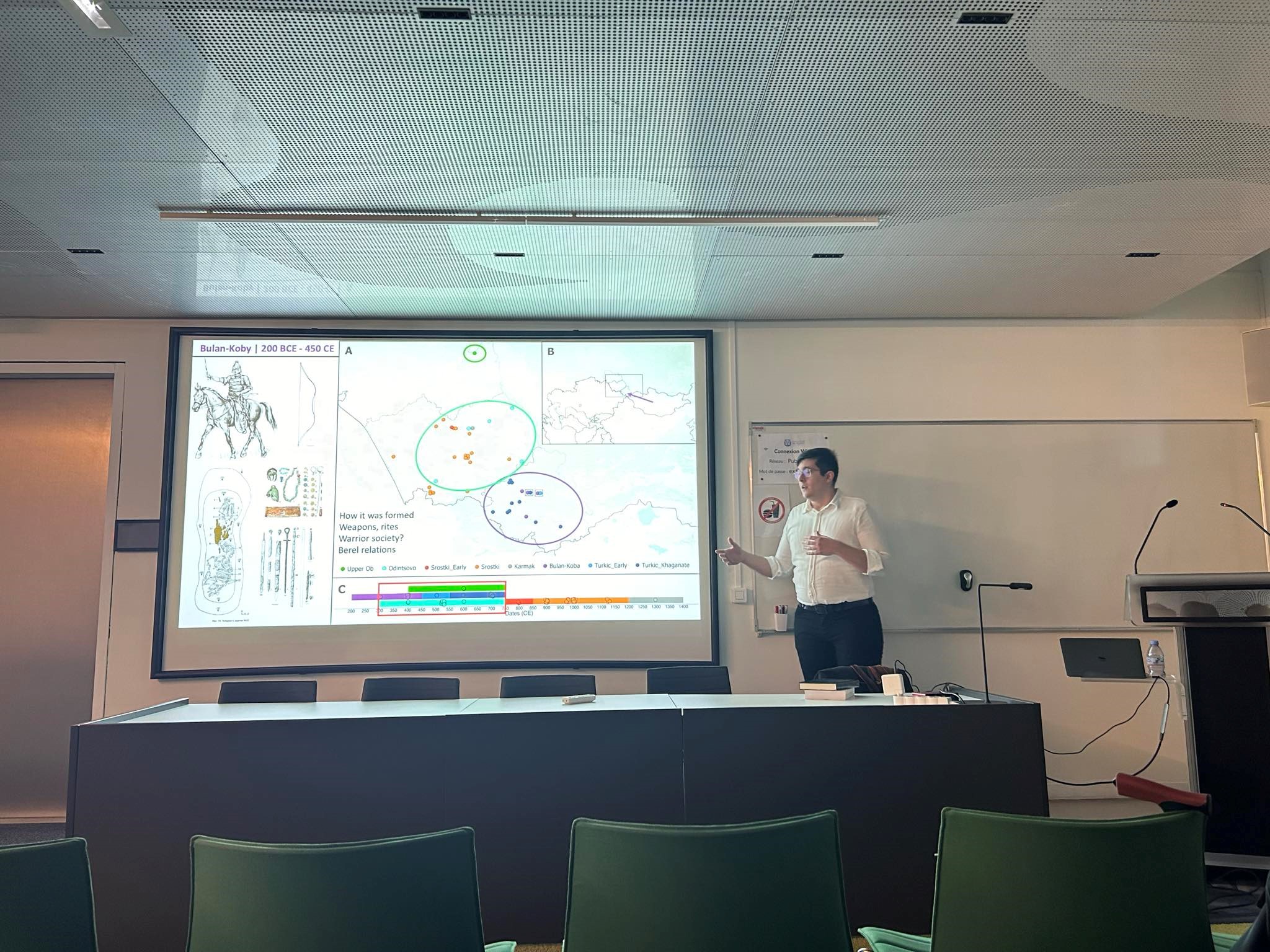
"We present over 100 genomes from the 4th-14th centuries of the Altai region that shed light on complex population histories of the highly mobile Medieval communities in that area. Preliminary results show that the Medieval period inhabitants of the Altai had a heterogeneous genetic profile, being variously related to ancient and modern North Asian, East Asian and Eurasian steppe populations. The results indicate multiple population movement and admixture events, which happened possibly along the political changes in Central Asia. Bearing high Ancestral North Eurasian ancestry, the Samoyed-affiliated population of the Odintsovo culture was formed by an admixture between their genetically more northern ancestors and the nomadic Bulan-Koby people of the Altai, later assimilating and integrating various other steppe groups. The new data from the Bulan-Koby population, archaeologically connected with the nomadic empires Xiongnu, Xianbei and Rouran, suggest genetic connections with the proposedly Iranian-speaking Saka people. Early Turkic culture developed upon the Bulan-Koby culture in the study area. The data shows that Bronze and Iron Age steppe and East Eurasian precursor populations had genetic influences on later Turkic groups. East Eurasian ancestry increased significantly in the Altai region in the period after the establishment of the Turkic Khaganate. The collapse of the Second Turkic Khaganate heralded new population movements, saw the formation of the Turkic-related Srostki culture and accelerated the Turkification of Samoyedic people of Western Siberia."
Özdemirin mukaan Odintsovon kulttuuri olisi ollut samojedityyppisen väestön ja aron paimentolaisten muodostama ja samojedityyppinen väestö olisi tullut siihen pohjoisempaa Ob-joen varrelta, mihin Özdemirin kuvassa on merkitty vihreä alue nimeltä "Upper Ob". Arkeologian perusteella Aleksandr Kazakov (2024) esittää, että Odintsovon kulttuuri olisi muodostunut, kun alun perin pohjoisempana vaikuttanut Kulai-kulttuuri levisi etelään Altaille ja muodosti siellä paikallisia alakulttuureja.
"The Odintsovo culture of the forest-steppe Altai existed in the chronological range of the second half of the 4th century – 8th century [CE]. The formation of the Odintsovo culture took place on the territory of the forest-steppe Altai on the basis of the cultural layer of the Fominsky stage of the Altai variant of the Kulai culture. Cultural contacts of the population of the Odintsovo culture with their southern neighbors living in the Altai Mountains, the population of the Bulan-Kobin and Turkic archaeological cultures were extremely weak and episodic and were reflected only in the borrowing of some elements of material culture (inventory complex)."
"[T]he penetration of the Kulai influence into the territory of the forest-steppe Altai is observed earlier than the population change noted by M.P. Gryaznov in the 2nd century AD, caused by a mass migration wave. Such a migration was prepared by long-term and fairly peaceful contacts that took place over a long chronological period (Ivanov, 2000, p. 135; 2016, p. 33). The migration of the Kulai population was not a one-time phenomenon, but was prepared by earlier contacts, which are recorded in archaeological material from the 3rd century BC and are associated with the infiltration of small groups of the Kulai population, represented by representatives of the Novosibirsk variant of the Kulai culture. The presence of features of the Bolsherechensk population of the Scythian-Saka cultural circle in their culture allowed these migrants to coexist quite peacefully with the representatives of the Kamensk and Staroaleyka cultures of the forest-steppe Altai. This peaceful coexistence was also facilitated by the absence of a conflict of interest associated with the ownership of the means of production. The Bochantsevsky stage is the first in the development of the Kulai population of the forest-steppe Altai territory and dates back to the 3rd-2nd centuries BC."
"The second stage is associated with the second migration wave of the Kulai population from the territory of the Tomsk Ob region (Kazakov, 2020, p. 19), the basis of which was the Sarov population, which found in the Novosibirsk Ob region territories already developed by the Kulai people and was forced to move south, to the area of the village of Bolshaya Rechka, where they settled, actively interacting with the local population of the Staroaleyka archaeological culture. This led to the formation of the Fominsk complexes. The Sarov stage dates back to the 1st century BC – 1st century AD. The migration route of the Sarov population passed through large forest areas on the right bank of the Ob River."
"The third stage is represented by the complexes of the Fominsk stage of the Kulai culture. The culture of the Fominsk stage developed on the basis of the culture of the population of the Sarov stage of the Tomsk Ob region. The process of cultural genesis was complex and differed from that in the adjacent territories. In the Blizhnie Elbany region, the Sarov tribes transformed their cultural traditions as a result of interaction with representatives of the Kamensk and Staroaleyka cultures. The preserved monolithic nature of the main culture-forming features allows us to speak of their evolutionary transformation. The established culture of the Fominsk stage turned out to be very resilient, spreading to adjacent territories, leaving there quite striking monuments like the Ust-Abinsk burial ground."
Vesakoski, Salmela ja Piezonka mainitsevat "Uralic archaeolinguistics" -tekstissään sivulla 367, että Kulai-kulttuuri saattaisi liittyä myös nykyisten ugrien esivanhempiin. Sehän olisi luontevaa, jos Kulai-kulttuurin länsiosa liittyisi ugrien esivanhempiin ja itäosa samojedien esivanhempiin. Tosin tässä kartassa Kulai-kulttuurin länsipuolella on myös Itkul-kulttuuri (nro 2), joka sopisi sijaintinsa puolesta paremmin ainakin mansien ja unkarilaisten esivanhemmille.

"Around 600 BC, along the middle Ob' and its tributaries, the extensive Kulaika cultural complex developed. Connected to the adoption of horses in these more northerly regions, it is characterized by the emergence of rectangular fortified settlements with regular rows of houses inside. The economy in taiga and tundra continued to be based on hunting, fishing, and gathering. [...] From the third century BC onwards, Kulaika groups migrated along the rivers to the fringes of the tundra in the north and far south along the upper Ob' to the Altai foothills (Schneeweiss 2007) (see Figure 20.4, Plate section 1). Kulaika persisted into the fourth century AD and was followed by related traditions throughout the early medieval period up until ca. 800 AD (Parzinger 2006). The Kulaika cultural complex has been associated with Ugric-speaking groups (Molodin 2005)."
Belyayev ja Chindina ehdottavat, että Kulai-kulttuurin väestö olisi valmistanut kupariesineitä ja hankkinut metallia esineiden valmistukseen muiden kulttuurien alueelta. Näitä kulttuureja olisivat olleet pohjoisessa Ust-Polui, etelässä Sargat ja Bolscherechenskaya ja idässä Tagar ja Tsepan. Viimeksi mainittu yhdistyy Daniel Tabinin julkaisemassa posterissa jeniseiläiseen-perimäkomponenttiin, joka voisi edustaa nykyisten jeniseiläisten eli ketien esivanhempia.
Geneettinen ja arkeologinen todistusaineisto viittaavat siis siihen, että samojedien tyyppistä väestöä olisi voinut asua Ob-joen yläjuoksulla, josta sitä olisi siirtynyt etelämmäksi Altaille ehkä jo 200-luvulla ennen ajanlaskun alkua tai viimeistään ajanlaskun alun jälkeisinä vuosisatoina, ja myös kielitieteessä Tapani Salminen sijoittaa kantasamojedin Ob- ja Jenisei-joen yläjuoksujen väliselle taigavyöhykkeelle. Tämä suhteellisen pohjoinen sijainti on kuitenkin ongelma, jos oletetaan, että samojedin ja tokaarin välillä olisi ollut yhteyksiä ja nämä yhteydet olisivat muodostuneet mieluummin aikaisin kuin myöhään, kuten esimerkiksi Abel Warries (2022) ehdottaa. Miten tokaari sopisi tähän kuvioon?
PS. Idimeshev et al. ovat miettineet myös arkeologisia kehityskulkuja, jotka voisi yhdistää samojedikielten leviämiseen etelästä pohjoiseen kantasamojedin hajoamisen jälkeen. Niistä käy ilmi, että Kulai-kulttuurista lähtevä kehityskulku on yksi vaihtoehto, mutta ammattilaiset ovat tunnistaneet yhteensä viisi mahdollista kehityskulkua.
- merimaa
- Lipevä lappilainen
- Viestit: 439
- Liittynyt: 17 Marras 2022 19:14
Re: Vesakoski, Salmela, Piezonka Uralic archaeolinquistics
Kirjoittaja Jaska » 18 Kesä 2025 20:46
merimaa kirjoitti:Geneettinen ja arkeologinen todistusaineisto viittaavat siis siihen, että samojedien tyyppistä väestöä olisi voinut asua Ob-joen yläjuoksulla, josta sitä olisi siirtynyt etelämmäksi Altaille ehkä jo 200-luvulla ennen ajanlaskun alkua tai viimeistään ajanlaskun alun jälkeisinä vuosisatoina, ja myös kielitieteessä Tapani Salminen sijoittaa kantasamojedin Ob- ja Jenisei-joen yläjuoksujen väliselle taigavyöhykkeelle. Tämä suhteellisen pohjoinen sijainti on kuitenkin ongelma, jos oletetaan, että samojedin ja tokaarin välillä olisi ollut yhteyksiä ja nämä yhteydet olisivat muodostuneet mieluummin aikaisin kuin myöhään, kuten esimerkiksi Abel Warries (2022) ehdottaa. Miten tokaari sopisi tähän kuvioon?
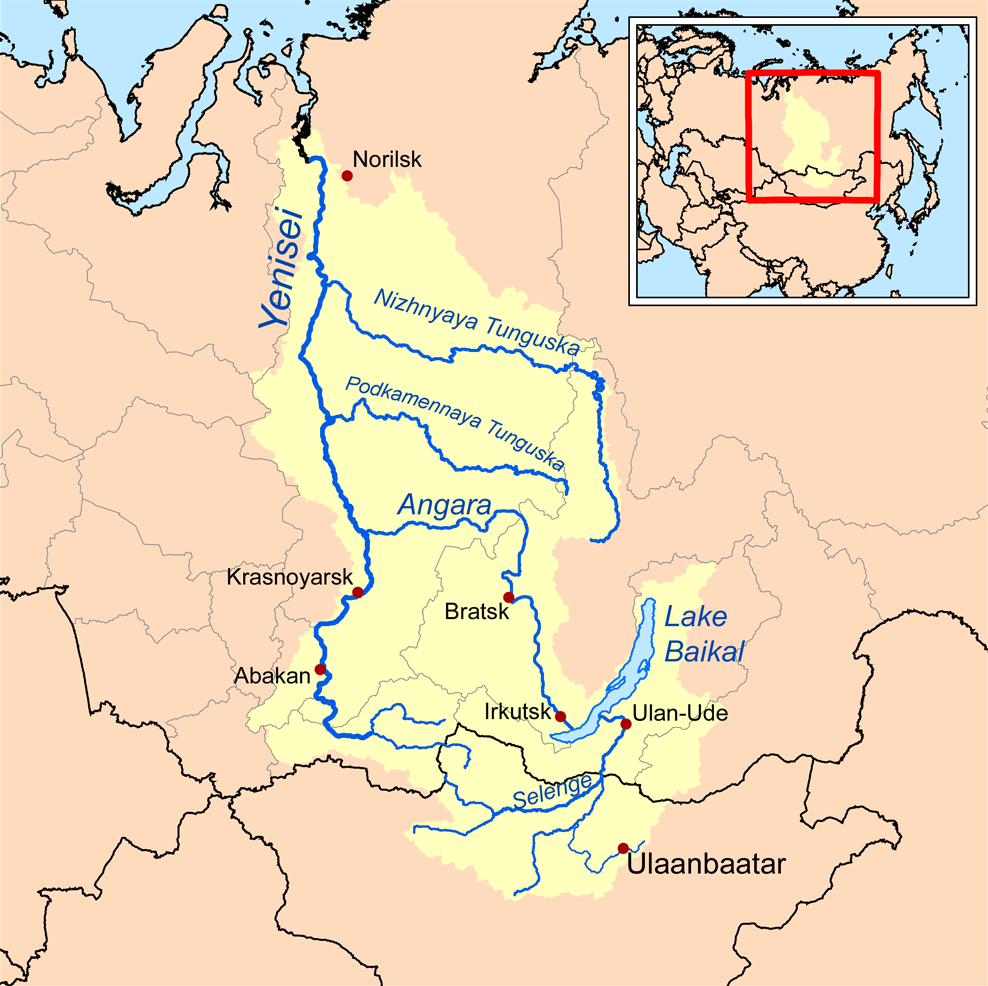
Esitokaariin liitetty Afanasievon kulttuuri ulottui kuitenkin pohjoisessa Angara-joelle, joten eikös tuo ole riittävän pohjoisessa?
Afanasievo:
https://www.archaeologs.com/i/1540/afan ... backlng=en
Jenisei ja Angara:
https://upload.wikimedia.org/wikipedia/ ... vermap.png
~ "Per aspera ad hominem - vaikeuksien kautta henkilökohtaisuuksiin" ~
Y-DNA: N1c1-YP1143 (Olavi Häkkinen 1620 Kuhmo? >> Juhani Häkkinen 1816 Eno)
mtDNA: H5a1e (Elina Mäkilä 1757 Kittilä >> Riitta Sassali 1843 Sodankylä)
Y-DNA: N1c1-YP1143 (Olavi Häkkinen 1620 Kuhmo? >> Juhani Häkkinen 1816 Eno)
mtDNA: H5a1e (Elina Mäkilä 1757 Kittilä >> Riitta Sassali 1843 Sodankylä)
-
Jaska - Ylihärmiö
- Viestit: 10156
- Liittynyt: 14 Helmi 2011 04:02
Re: Vesakoski, Salmela, Piezonka Uralic archaeolinquistics
Kirjoittaja merimaa » 20 Kesä 2025 00:26
Jaska kirjoitti:Esitokaariin liitetty Afanasievon kulttuuri ulottui kuitenkin pohjoisessa Angara-joelle, joten eikös tuo ole riittävän pohjoisessa?
Kielitieteessä voidaan tietysti olettaa, että Luoteis-Kiinassa myöhemmin dokumentoidut tokaari-A ja -B palautuvat indoeurooppalaiseen kieleen, joka olisi tullut Altain ja Jenisein alueelle alun perin Jamnaja-kulttuuriin liittyvän Afanasievon kulttuurin väestön mukana. Silloin jonkinlaista esitokaaria olisi varmaan puhuttu Altain ja Jenisein alueella varhaisella pronssikaudella.
Jos esitokaarilla olisi ollut yhteyksiä johonkin uralilaista kieltä muistuttavaan kieleen varhaisella pronssikaudella, siinä vaiheessa kontaktikieli olisi voinut olla esikantaurali tai varhainen kantaurali. Meillä ei kuitenkaan ole tietoa siitä, missä esikantauralia tai varhaista kantauralia puhuttiin, joten yhteyden osoittaminen esitokaarin ja jomman kumman kielen välille vaatisi uskottavaa todistusaineistoa esimerkiksi lainasanoista. Silloin voisimme olettaa, että esikantauralia tai varhaista kantauralia olisi voitu puhua esimerkiksi Minusinskin alueen pohjoispuolella, missä on aiemmin asunut väestöä, joka oli geneettisesti sukua nykyisille uralilaisten kielten puhujille (esim. kra001). Meillä ei kuitenkaan ole todistusaineistoa varhaisista lainasanoista, jotka olisivat selvästi tulleet tokaaria muistuttavasta kielestä.
Esitokaaria ja sitä seuraavia kielimuotoja puhuttiin tietysti jossain myös varhaisen pronssikauden jälkeen, koska tokaarin kielellä täytyy olla jatkumo varhaiselta pronssikaudelta historiallisesti dokumentoituihin kirjoituksiin asti. Tokaarin puhuma-alueita on silti vaikea paikantaa Afanasievon kulttuurin päättymisen jälkeen, koska kielen jatkumisesta alkuperäisellä alueella ei ole mitään takeita ja tokaarinpuhujat ovat voineet muuttaa myöhemmin kokonaan toisille alueille.
Myöhäisellä rautakaudella tokaarinpuhujien olinpaikka on tuntematon, mutta uralilaisten kielten samojedihaaran voi silloin paikantaa suurin piirtein Ob- ja Jenisei-joen yläjuoksujen väliselle alueelle. Jos tokaarinpuhujilla olisi ollut siihen aikaan yhteyksiä johonkin samojedia muistuttavaan kieleen, lainasanat voisivat todistaa, että tokaaria on täytynyt puhua jossain lähialueella. Tällä hetkellä todistusaineisto on kuitenkin epävarmaa, joten on ehkä parasta odottaa, että Abel Warriesin väitöskirjasta tulee ensi viikolla lisää tietoa.
- merimaa
- Lipevä lappilainen
- Viestit: 439
- Liittynyt: 17 Marras 2022 19:14
Re: Vesakoski, Salmela, Piezonka Uralic archaeolinquistics
Kirjoittaja merimaa » 02 Elo 2025 00:43
Tokaarin varhaisia vaiheita ei tarvitse välttämättä sitoa Afanasievon kulttuuriin, sillä Kroonen et al. (2022) yhdistävät tokaarin vasta johonkin myöhempään muuttoliikkeeseen, joka sai alkunsa melko lännestä, Mustanmeren pohjoispuolelta. He perustelevat tätä tokaarissa säilyneellä indoeurooppalaisella maanviljelysanastolla ja esittävät, että tokaari olisi voinut levitä itään aikaisintaan katakombikulttuurista (2500-1950 eaa.) tai vasta Babynon kulttuurista (2200-1700 eaa.) ("Indo-European cereal terminology suggests a Northwest Pontic homeland for the core Indo-European languages"; "[The] Afanasievo culture, with its lack of evidence for agriculture, does not provide an evidently suitable context for the Tocharian homeland").
Tiedämme, että Afanasievon kulttuuria seurasi Minusinskin alueella Okunevon kulttuuri, jonka varhaisesta vaiheesta arkeologit ovat löytäneet yhteyksiä juuri katakombikulttuuriin. Esimerkiksi Outram et al. (2018) mainitsevat, että varhaisen Okunevon kulttuurin ja katakombikulttuurin hautauksista on löydetty yhteisiä piirteitä ("Archaeological supplement B to Damgaard et al. 2018").
Outram et al. tuovat myös esille, että Okunevon kulttuurilla on Siperiassa joitakin yhteisiä piirteitä muiden lähialueen kulttuurien kanssa. Tämä liittyy keramiikan osalta luultavasti "kukkaruukkukompleksiin", joka mainitaan Bedlan-työryhmän artikkeleissa.
Lazaretov & Polyakov (2018) kertovat tarkemmin, että katakombikulttuuriin yhdistetyt hautaukset ajoittuvat kaikki Okunevon kulttuurin varhaiseen Uybat-vaiheeseen ja niitä ei esiinny enää kulttuurin myöhemmissä vaiheissa. Hautauksia on löydetty tähän mennessä yhteensä kymmenen. Niiden myöhempi katoaminen viittaa ilmeisesti siihen, että uudet tulokkaat assimiloituivat paikalliseen väestöön ja hautaustavatkin muuttuivat.
Muinais-DNA-tutkimuksissa on puhuttu tähän mennessä vain Afanasievon kulttuuriin liittyvästä muuttoliikkeestä, joka toi geneettisesti jamnalaisia muistuttavaa väestöä Altain ja Minunsinskin alueelle. Antropologian menetelmillä venäläiset "kallonmittaajat" ovat kuitenkin saaneet viitteitä siitä, että Afanasievon kulttuurin jälkeen Siperiaan suuntautui vielä toinenkin muuttoliike lännestä ennen Andronovon kulttuuria. Esimerkiksi Kozintsev (2024) esittää, että Afanasievon jälkeen saapunut muuttoliike liittyy jollain tavalla kulttuureihin, joista osa jakoi Okunevon kanssa yhteisiä arkeologisia piirteitä. Sellaisia kulttuureja olivat Jelunino, Samus ja Karakol (ks. yllä).
Vaikka antropologian menetelmät voivat olla epäluotettavia, niillä saadut tulokset sopivat jotakuinkin yhteen niiden tietojen kanssa, jotka Kristiina on saanut aiemmin vielä julkaisemattomista muinais-DNA-näytteistä. Lisäksi Bobrov (2024) viittaa arkeologien keskuudessa esitettyihin näkemyksiin ja puhuu toisesta muuttoliikkeestä, joka olisi saapunut Siperiaan vasta Afanasievon jälkeen. Hän liittää tämän toisen muuttoliikkeen pääosin samoihin arkeologisiin kulttuureihin kuin Kozintsev.
Kiinnostava kulttuuri näiden tietojen valossa on tietysti Samus, josta ei ole tällä hetkellä yhtään muinais-DNA-näytettä. Sehän oli juuri se kulttuuri, jonka alueella Tatarka Hillin jakutialaistyyppinen väestö asui. Heillä olisi voinut periaatteessa olla jonkinlaisia yhteyksiä johonkin Okunevon kaltaiseen väestöön ja tokaarin kaltaiseen kieleen, koska ainakin Kozintsevin tutkimat Samusin vainajat vaikuttavat hyvin läntisiltä. Vainajien iästä ei kuitenkaan voi sanoa mitään, koska en ole pystynyt selvittämään Kozintsevin antamien tietojen perusteella vainajien hautausten arkeologista kontekstia.
In conclusion, unlike the archaeological Yamnaya homeland, the linguistic homeland of the core Indo-European language community cannot be located in the eastern steppe, but must be situated around, and extending to the west of, the Dnieper River. After the formation of the core Indo-European dialect continuum in this area after ca. 3300 BCE, it gradually developed into a network of increasingly evolved and disconnected varieties of Indo-European speech, thus foreshadowing the final fragmentation of the language and the movements of the various branches into Europe and Asia. Intriguingly, Indo-Iranian and especially Tocharian were impacted less heavily by the later, more radical shift towards agriculture that manifests itself in the European branches, indicating that they were culturally but also geographically more peripheral. However, since these branches share the Indo-European words for ‘plow’ and ‘pound grain’, they must, too, somehow have been involved in or at least connected to the establishment of the core Indo-European continuum in the West Pontic region. Scenarios in which the European branches moved west and the Asian branch stayed east of the Dnieper therefore appear overly simplistic. [...] Quite possibly, segments of the core Indo-European speech community moved west before they moved east, including those groups that ultimately introduced Tocharian and Indo-Iranian to Asia. For the steppe component in Indo-Iranians, the Eastern European Corded Ware has been suggested as the mediator of Yamnaya ancestry. For Tocharian, it may be necessary to assume an indirect dispersal as well in view of the late spread of agriculture to the eastern steppe. The wooden plows of the Catacomb culture (2500–1950 BCE) offer an archaeological terminus post quem. A successive potential proxy is the Babyno culture (2200–1700 BCE), whose similarities to the Epi-Corded Ware of the Carpathian region suggest an East-Central European origin.
Tiedämme, että Afanasievon kulttuuria seurasi Minusinskin alueella Okunevon kulttuuri, jonka varhaisesta vaiheesta arkeologit ovat löytäneet yhteyksiä juuri katakombikulttuuriin. Esimerkiksi Outram et al. (2018) mainitsevat, että varhaisen Okunevon kulttuurin ja katakombikulttuurin hautauksista on löydetty yhteisiä piirteitä ("Archaeological supplement B to Damgaard et al. 2018").
"[A] theory that is supported at the present time by most researchers suggests that Okunevo culture resulted from the interaction of local Neolithic hunter-gatherers with Western cattle breeders. This opinion is supported by evident parallels between early Okunevo burials and those of the Catacomb culture (Lazaretov 1995)."
"Radiocarbon AMS dating of 50 Okunevo samples are within 2600–1800 BCE (Polyakov 2017; Polykov and Svyatko 2009; Svyatko at al. 2009). According to these studies the Uybat period is dated as 2600–2300 BCE, Chernovaya as 2200–1900 BCE, and Razliv later than 1800 BCE."
Outram et al. tuovat myös esille, että Okunevon kulttuurilla on Siperiassa joitakin yhteisiä piirteitä muiden lähialueen kulttuurien kanssa. Tämä liittyy keramiikan osalta luultavasti "kukkaruukkukompleksiin", joka mainitaan Bedlan-työryhmän artikkeleissa.
"The Okunevo culture shares some elements of its material culture including pottery with a number of local cultures from adjacent areas such as the Samus’, Elunino, Karacol, and Krotovo cultures of western Siberia and Altai, the Kanay type burials of eastern Kazakhstan, and the Okunevo-like culture of Tuva. This makes it possible to view all of them as belonging to “the ring of related Okunevo-like cultures” (Molodin 2006; Savinov 1997; Stambulnik and Chugunov 2006). Nevertheless, there is currently no sound evidence of the common origins of all these cultures."
Lazaretov & Polyakov (2018) kertovat tarkemmin, että katakombikulttuuriin yhdistetyt hautaukset ajoittuvat kaikki Okunevon kulttuurin varhaiseen Uybat-vaiheeseen ja niitä ei esiinny enää kulttuurin myöhemmissä vaiheissa. Hautauksia on löydetty tähän mennessä yhteensä kymmenen. Niiden myöhempi katoaminen viittaa ilmeisesti siihen, että uudet tulokkaat assimiloituivat paikalliseen väestöön ja hautaustavatkin muuttuivat.
"The article presents the results of archaeological excavations of burial mound no. 1 of the Uibat-Charkov burial ground (Ust-Abakan district of the Republic of Khakassia) and their scientific interpretation. This mound dates from the early Uibat stage of the Okunevo culture and can be regarded as a reference site of that period (the Early Bronze Age). [...] Of great scientific importance is the discovery in this mound of three burials in the catacombs [graves 3, 4, 6]. This is confirmed by the observations of specia'lists on the links between the Okunevo culture and the Catacomb cultural-historical community. [...] Based on a series of five radiocarbon dates of the undisturbed grave 11, the approximate age of the mound was determined by 25th-23th centuries BC. In connection with the research of this site, one can again return to the problem of the origin of the Okunevo culture. There is a large number of analogies with the sites of the Late-Pit Grave and the Pit Grave - Catacomb time of the North-Western Caspian."
"To date, at least 10 burials in the catacombs have been discovered in the Okunev sites: Yes (Есь) [Lipskiy, 1954]; Uybat-1 (Уйбат-1), burial mound No. 1, graves 1 and 7 [Nagler, Parzinger, 2006]; Uybat-Sh (Уйбат-Ш), burial mound No. 1, grave 2 [Lazaretov, 1997]; Uybat-U (Уйбат-У), burial mound No. 1, graves 4 and 6 [Lazaretov, 1997]; Itkol-P (Итколь-П), burial mound No. 14, grave 8; Uybat-Charkov (Уйбат-Чарков), burial mound No. 1, graves 3, 4, 6. [...] All of them belong to the Uybat stage of the Okunev culture and are no longer found later, at the Chernovaya stage. Moreover, the earliest radiocarbon dates from the burials of the Okunev culture are associated specifically with samples from the catacombs [Polyakov, 2017a, p. 58]."
Muinais-DNA-tutkimuksissa on puhuttu tähän mennessä vain Afanasievon kulttuuriin liittyvästä muuttoliikkeestä, joka toi geneettisesti jamnalaisia muistuttavaa väestöä Altain ja Minunsinskin alueelle. Antropologian menetelmillä venäläiset "kallonmittaajat" ovat kuitenkin saaneet viitteitä siitä, että Afanasievon kulttuurin jälkeen Siperiaan suuntautui vielä toinenkin muuttoliike lännestä ennen Andronovon kulttuuria. Esimerkiksi Kozintsev (2024) esittää, että Afanasievon jälkeen saapunut muuttoliike liittyy jollain tavalla kulttuureihin, joista osa jakoi Okunevon kanssa yhteisiä arkeologisia piirteitä. Sellaisia kulttuureja olivat Jelunino, Samus ja Karakol (ks. yllä).
"To assess the sources of population differentiation in Late Bronze Age Western Siberia, measurements of 68 cranial samples of this and earlier periods were processed with multivariate statistical methods. Results support the idea of at least two post-Afanasyevo migrations to Siberia from the west — pre-Andronovo and Andronovo. The former was represented by Chaa-Khol, Yelunino, and Samus people. Those associated with Karakol culture partly resemble the above and partly both autochthonous populations — that of Baraba (“Northern Eurasian formation”) and that of Okunev culture (“Southern Eurasian formation”), which appear to be two extremes of a single continuum."
"Yelunino, Chaa-Khol, and Samus represented the second (after Afanasyevo) migration to Siberia from the west, and Andronovo represented the third. Karakol shows similarities with both the pre-Andronovo groups of western origin (Yelunino and Chaa-Khol), and with the aborigines of the Baraba forest-steppe, and with Yelovka."
"The bearers of the Yelovka culture from Yelovka II are similar to Okunevo, but apparently have a small Andronovo admixture. The Late Krotovo (Chernoozero) groups from Sopka and Chernoozerye deviate from the aborigines of the northern Eurasian formation from Baraba in favor of not the Andronovo people, but Okunevo."
Vaikka antropologian menetelmät voivat olla epäluotettavia, niillä saadut tulokset sopivat jotakuinkin yhteen niiden tietojen kanssa, jotka Kristiina on saanut aiemmin vielä julkaisemattomista muinais-DNA-näytteistä. Lisäksi Bobrov (2024) viittaa arkeologien keskuudessa esitettyihin näkemyksiin ja puhuu toisesta muuttoliikkeestä, joka olisi saapunut Siperiaan vasta Afanasievon jälkeen. Hän liittää tämän toisen muuttoliikkeen pääosin samoihin arkeologisiin kulttuureihin kuin Kozintsev.
"[The] second wave of migration of the Caucasoid population led to the formation of a suite of archaeological cultures on the territory of Southern Siberia: Karakol, Chaa-Khol, Okunevo and Samus."
Kiinnostava kulttuuri näiden tietojen valossa on tietysti Samus, josta ei ole tällä hetkellä yhtään muinais-DNA-näytettä. Sehän oli juuri se kulttuuri, jonka alueella Tatarka Hillin jakutialaistyyppinen väestö asui. Heillä olisi voinut periaatteessa olla jonkinlaisia yhteyksiä johonkin Okunevon kaltaiseen väestöön ja tokaarin kaltaiseen kieleen, koska ainakin Kozintsevin tutkimat Samusin vainajat vaikuttavat hyvin läntisiltä. Vainajien iästä ei kuitenkaan voi sanoa mitään, koska en ole pystynyt selvittämään Kozintsevin antamien tietojen perusteella vainajien hautausten arkeologista kontekstia.
- merimaa
- Lipevä lappilainen
- Viestit: 439
- Liittynyt: 17 Marras 2022 19:14
Re: Vesakoski, Salmela, Piezonka Uralic archaeolinquistics
Kirjoittaja merimaa » 02 Elo 2025 01:37
Clémence Hollard on itse asiassa määrittänyt Okunevon kulttuurin varhaiseen vaiheeseen kuuluvan Uybat-Charkovin hautausten isälinjoja. Hänen väitöskirjansa sivuilla 45 ja 88 on tietoja, joita yhdistelemällä näkee, että katakombityyppisiin hautoihin (kurgan 1, haudat 3 ja 6) on haudattu ainakin yksi R1b-mies (Kh7) ja yksi Q-mies (Kh8). Lisäksi Uybat-Charkovin alueelle, samaan kurganiin on haudattu erityyppiseen hautaan yksi N-mies (Kh12) ja kaksi muuta N-miestä (Kh13, Kh15) on haudattu Itkul II:n alueelle. Yritin aiemmin määrittää näiden N-miesten tarkemmat haploryhmät toisessa ketjussa vertailemalla STR-haplotyyppejä ja päädyin lopulta siihen tulokseen, että ainakin yksi miehistä (Kh12) voisi olla isälinjaltaan N2-haaraa.
Uybat-Charkovin haploryhmät tarkentuvat vielä uudemmassa tutkimuksessa, Hollard et al. (2018), jossa R1b-miehen (Kh7) haploryhmä on R-L23 ja Q-miehen (Kh8) haploryhmä on Q-M346 (Supporting Information 1: Table S5).
Uybat-Charkovin haploryhmät tarkentuvat vielä uudemmassa tutkimuksessa, Hollard et al. (2018), jossa R1b-miehen (Kh7) haploryhmä on R-L23 ja Q-miehen (Kh8) haploryhmä on Q-M346 (Supporting Information 1: Table S5).
- merimaa
- Lipevä lappilainen
- Viestit: 439
- Liittynyt: 17 Marras 2022 19:14
Re: Vesakoski, Salmela, Piezonka Uralic archaeolinquistics
Kirjoittaja Jaska » 02 Elo 2025 23:03
merimaa kirjoitti:Tokaarin varhaisia vaiheita ei tarvitse välttämättä sitoa Afanasievon kulttuuriin, sillä Kroonen et al. (2022) yhdistävät tokaarin vasta johonkin myöhempään muuttoliikkeeseen, joka sai alkunsa melko lännestä, Mustanmeren pohjoispuolelta. He perustelevat tätä tokaarissa säilyneellä indoeurooppalaisella maanviljelysanastolla ja esittävät, että tokaari olisi voinut levitä itään aikaisintaan katakombikulttuurista (2500-1950 eaa.) tai vasta Babynon kulttuurista (2200-1700 eaa.) ("Indo-European cereal terminology suggests a Northwest Pontic homeland for the core Indo-European languages"; "[The] Afanasievo culture, with its lack of evidence for agriculture, does not provide an evidently suitable context for the Tocharian homeland").
Kiitos, tuo ei ollut jäänyt mieleen, kun juttua lukiessani mielessäni ei vielä silloin ollut tokaari. Tuohan keikauttaa asetelman taas sellaiseksi, että tuossa mallissa varhaiset kontaktit tokaarin ja uralin välillä voisivatkin vetää länteen, Euroopan puolelle.
Joka tapauksessa tokaarin olisi oltava yksi alueellisesti kaukaisemmista sukulaishaaroista indoiranille, kun yhteisiä kielellisiä piirteitä ei näytä oikein löytyvän (esim. germaaniakin kaukaisempi). Eli sen itään siirtyminen ei voisi olla juurikaan myöhäisempi kuin indoiraniin yhdistettävät Abashevon ja Sintashtan kulttuurit Etelä-Uralin ympäristössä (alku n. 2200-2100 eaa.). Tai jos tokaari tulisi todella kaukaa lännestä ja olisi vain nopeasti luikahtanut indoiranilaisten ohi? Mutta kaiken tietämämme valossa sellainen ei yleensä ole kovin uskottava skenaario.
~ "Per aspera ad hominem - vaikeuksien kautta henkilökohtaisuuksiin" ~
Y-DNA: N1c1-YP1143 (Olavi Häkkinen 1620 Kuhmo? >> Juhani Häkkinen 1816 Eno)
mtDNA: H5a1e (Elina Mäkilä 1757 Kittilä >> Riitta Sassali 1843 Sodankylä)
Y-DNA: N1c1-YP1143 (Olavi Häkkinen 1620 Kuhmo? >> Juhani Häkkinen 1816 Eno)
mtDNA: H5a1e (Elina Mäkilä 1757 Kittilä >> Riitta Sassali 1843 Sodankylä)
-
Jaska - Ylihärmiö
- Viestit: 10156
- Liittynyt: 14 Helmi 2011 04:02
Tokaarin vaiheista
Kirjoittaja merimaa » 02 Elo 2025 23:30
Ukrainan jamnalaisten ydinjoukko ja katakombikulttuurin väestö muistuttavat toisiaan tänä vuonna julkaistussa geenitutkimuksessa, Nikitin et al. (2025: 6), mutta Babynon kulttuurin väestö poikkeaa molemmista jonkin verran. Jos Afanasievon väestö muistuttaa yhtälailla Ukrainan jamnalaisten ydinjoukkoa, geeniperimän perusteella voi olla vaikea sanoa, jatkuuko Afanasievon perimä suoraan Okunevon kulttuurissa vai tuleeko sinne myöhemmin uutta perimää katakombikulttuurista.
Isälinjan haploryhmätkään eivät erota Ukrainan jamnalaisten ydinjoukkoa selvästi alueen myöhemmistä asukkaista, koska vielä Babynon kulttuurissakin esiintyy haploryhmiä, jotka ovat joko identtisiä tai läheistä sukua jamnalaisten haploryhmille. YFull-sivuston mukaan alueella esiintyvät haploryhmät polveutuvat toisistaan tällä tavalla: R-P297 > R-M269 > R-L23 > (R-Z2103) > R-M12149 > (R-Y467276) > (R-Z2106) > R-Z2108
Okunevon kulttuurista tällä hetkellä tunnetut R1b-isälinjan haploryhmät, R-L23 ja R-M12149, kuuluvat samaan jatkumoon, eikä niistä voi sillä perusteella sanoa, mihin aikaan ne ovat saapuneet Siperiaan Minusinskin alueelle. Okunevon kulttuurista ei ole myöskään tähän mennessä julkaistu autosomaalisen geeniperimän näytteitä sellaisista vainajista, jotka on haudattu katakombityyppisiin hautoihin.
I32534 Ukraine_EBA_Yamna 3635-3383 calBCE H6a1
I3141 Ukraine_EBA_Yamnaya 3300-2500 BCE H15b1
I12005 Ukraine_EBA_Yamnaya_lc 3300-2500 BCE T2c1a2
I12233 Ukraine_EBA_Yamnaya 3074-2888 calBCE U4a1 R-P297
I12168 Ukraine_EBA_Yamnaya 3018-2911 calBCE U4a R-Z2108
I20975 Ukraine_EBA_Yamnaya 2872-2627 calBCE N1b1a2 R-M12149
I12619 Ukraine_EBA_Yamnaya 2868-2462 calBCE W3a1a R-Z2108
I12843 Ukraine_EBA_Yamnaya 2857-2502 calBCE U5a1a1 R-M12149
I11999 Ukraine_EBA_Yamnaya 2626-2476 calBCE U4a2 R-Z2108
I11850 Ukraine_EBA_Catacomb_possible 2874-2630 calBCE H+16311
I12617 Ukraine_EBA_Catacomb 2862-2573 calBCE R1a1a
I12621 Ukraine_EBA_Catacomb_contam_lc 2575-2348 calBCE U5b
I12840 Ukraine_EBA_Catacomb 2453-2148 calBCE H2b
I13071 Ukraine_EBA_Catacomb_o1 2271-2039 calBCE T2c1d1a
I16674 Ukraine_MBA_MultiCordonedWare_Babine 2434-1943 calBCE H15a1a1 R-M12149
I7925 Ukraine_MBA_MultiCordonedWare_Babine 2119-1624 calBCE I1a1 R-Z93 (R1a1a1)
I12231 Ukraine_MBA_MultiCordonedWare_Babine 2111-1543 calBCE U4a1b R-M269
I12235 Ukraine_MBA_MultiCordonedWare_Babine 1686-1311 calBCE H13a1a2 R-Z645 (R1a1a1)
I12234 Ukraine_MBA_MultiCordonedWare_Babine 1499-1127 calBCE R-M198 (R1a1a)
Kh7 Russia Okunevo Uybat-Charkov kurgan 1 burial 3 J R-L23
Kh8 Russia Okunevo Uybat-Charkov kurgan 1 burial 6 H1bv1 Q-M346
RISE719 Russia_BA_Okunevo Syda-5 2900-1800 BCE C5c Q-L330
RISE677 Russia_BA_Okunevo Uybat-3 kurgan 1 burial 4 2659-2209 calBCE A8a1
RISE680 Russia_BA_Okunevo Uybat-5 kurgan 1 burial 1a 2900-1800 BCE A+152+16362
RISE685 Russia_BA_Okunevo Uybat-5 kurgan 1 burial 3a-5a skeleton B 2900-1800 BCE C5c
RISE681 Russia_BA_Okunevo Uybat-5 kurgan 1 burial 3a-5a skeleton C 2900-1800 BCE A8a1
RISE675 Russia_BA_Okunevo Uybat-5 kurgan 1 burial 1 skeleton 1 2857-2350 calBCE D4+195 R-M12149
RISE684 Russia_BA_Okunevo Uybat-5 kurgan 4 burial 12 2463-2140 calBCE C5c
RISE683 Russia_BA_Okunevo Uybat-5 kurgan 4 burial 4 skull A 2138-1901 calBCE H15b1 Q-L712
RISE667 Russia_BA_Okunevo Verkhny-Askiz kurgan 1 burial 22 2900-1800 BCE A8a
RISE671 Russia_BA_Okunevo Verkhny-Askiz kurgan 2 burial 4 skull 3 2900-1800 BCE H6a1b
RISE672 Russia_BA_Okunevo Verkhny-Askiz kurgan 2 burial 8 skeleton 3 2900-1800 BCE H6a1b Q-L940
RISE515 Russia_BA_Okunevo Verkhny-Askiz kurgan 1 burial 3 skeleton 1 2343-2144 calBCE A8a
RISE674 Russia_BA_Okunevo Verkhny-Askiz kurgan 2 burial 21 skeleton 1 2284-1972 calBCE A+152+16362 Q-L940
RISE670 Russia_BA_Okunevo Verkhny-Askiz kurgan 2 burial 4 skull 7 2191-1884 calBCE A8a Q-L940
"We find that individuals of the Catacomb archaeological complex, which chronologically partially overlaps and succeeds Yamna in the [North Pontic Region] NPR, continued to exhibit Yamna genetic ancestry. The population, labelled ‘Ukraine_EBA_Catacomb’, including individuals I12840 and I16668 from our dataset, is cladal with the Core Yamna (P = 0.075, Supplementary Information section 2 and Supplementary Table 2.1). Yamna ancestry persisted in the NPR into the second half of the third millennium BCE."
"The Catacomb group was succeeded in the NPR by the Babyne (Multi-Cordoned Ware) complex (Supplementary Information section 1.4). Feasible models for Babyne ancestry involve Core Yamna, a European farmer source, and considerable hunter-gatherer ancestry (Table 1, Supplementary Information section 2 and Supplementary Table 2.14). Similarly admixed populations have been described from the Bronze Age of present-day Romania at the sites of Arman (Cârlomănești) and Târgșoru Vechi in Muntenia 10, indicating that populations of high hunter-gatherer ancestry contributed to some post-Yamna people in the NPR and Southern Carpathians."
Isälinjan haploryhmätkään eivät erota Ukrainan jamnalaisten ydinjoukkoa selvästi alueen myöhemmistä asukkaista, koska vielä Babynon kulttuurissakin esiintyy haploryhmiä, jotka ovat joko identtisiä tai läheistä sukua jamnalaisten haploryhmille. YFull-sivuston mukaan alueella esiintyvät haploryhmät polveutuvat toisistaan tällä tavalla: R-P297 > R-M269 > R-L23 > (R-Z2103) > R-M12149 > (R-Y467276) > (R-Z2106) > R-Z2108
Okunevon kulttuurista tällä hetkellä tunnetut R1b-isälinjan haploryhmät, R-L23 ja R-M12149, kuuluvat samaan jatkumoon, eikä niistä voi sillä perusteella sanoa, mihin aikaan ne ovat saapuneet Siperiaan Minusinskin alueelle. Okunevon kulttuurista ei ole myöskään tähän mennessä julkaistu autosomaalisen geeniperimän näytteitä sellaisista vainajista, jotka on haudattu katakombityyppisiin hautoihin.
I32534 Ukraine_EBA_Yamna 3635-3383 calBCE H6a1
I3141 Ukraine_EBA_Yamnaya 3300-2500 BCE H15b1
I12005 Ukraine_EBA_Yamnaya_lc 3300-2500 BCE T2c1a2
I12233 Ukraine_EBA_Yamnaya 3074-2888 calBCE U4a1 R-P297
I12168 Ukraine_EBA_Yamnaya 3018-2911 calBCE U4a R-Z2108
I20975 Ukraine_EBA_Yamnaya 2872-2627 calBCE N1b1a2 R-M12149
I12619 Ukraine_EBA_Yamnaya 2868-2462 calBCE W3a1a R-Z2108
I12843 Ukraine_EBA_Yamnaya 2857-2502 calBCE U5a1a1 R-M12149
I11999 Ukraine_EBA_Yamnaya 2626-2476 calBCE U4a2 R-Z2108
I11850 Ukraine_EBA_Catacomb_possible 2874-2630 calBCE H+16311
I12617 Ukraine_EBA_Catacomb 2862-2573 calBCE R1a1a
I12621 Ukraine_EBA_Catacomb_contam_lc 2575-2348 calBCE U5b
I12840 Ukraine_EBA_Catacomb 2453-2148 calBCE H2b
I13071 Ukraine_EBA_Catacomb_o1 2271-2039 calBCE T2c1d1a
I16674 Ukraine_MBA_MultiCordonedWare_Babine 2434-1943 calBCE H15a1a1 R-M12149
I7925 Ukraine_MBA_MultiCordonedWare_Babine 2119-1624 calBCE I1a1 R-Z93 (R1a1a1)
I12231 Ukraine_MBA_MultiCordonedWare_Babine 2111-1543 calBCE U4a1b R-M269
I12235 Ukraine_MBA_MultiCordonedWare_Babine 1686-1311 calBCE H13a1a2 R-Z645 (R1a1a1)
I12234 Ukraine_MBA_MultiCordonedWare_Babine 1499-1127 calBCE R-M198 (R1a1a)
Kh7 Russia Okunevo Uybat-Charkov kurgan 1 burial 3 J R-L23
Kh8 Russia Okunevo Uybat-Charkov kurgan 1 burial 6 H1bv1 Q-M346
RISE719 Russia_BA_Okunevo Syda-5 2900-1800 BCE C5c Q-L330
RISE677 Russia_BA_Okunevo Uybat-3 kurgan 1 burial 4 2659-2209 calBCE A8a1
RISE680 Russia_BA_Okunevo Uybat-5 kurgan 1 burial 1a 2900-1800 BCE A+152+16362
RISE685 Russia_BA_Okunevo Uybat-5 kurgan 1 burial 3a-5a skeleton B 2900-1800 BCE C5c
RISE681 Russia_BA_Okunevo Uybat-5 kurgan 1 burial 3a-5a skeleton C 2900-1800 BCE A8a1
RISE675 Russia_BA_Okunevo Uybat-5 kurgan 1 burial 1 skeleton 1 2857-2350 calBCE D4+195 R-M12149
RISE684 Russia_BA_Okunevo Uybat-5 kurgan 4 burial 12 2463-2140 calBCE C5c
RISE683 Russia_BA_Okunevo Uybat-5 kurgan 4 burial 4 skull A 2138-1901 calBCE H15b1 Q-L712
RISE667 Russia_BA_Okunevo Verkhny-Askiz kurgan 1 burial 22 2900-1800 BCE A8a
RISE671 Russia_BA_Okunevo Verkhny-Askiz kurgan 2 burial 4 skull 3 2900-1800 BCE H6a1b
RISE672 Russia_BA_Okunevo Verkhny-Askiz kurgan 2 burial 8 skeleton 3 2900-1800 BCE H6a1b Q-L940
RISE515 Russia_BA_Okunevo Verkhny-Askiz kurgan 1 burial 3 skeleton 1 2343-2144 calBCE A8a
RISE674 Russia_BA_Okunevo Verkhny-Askiz kurgan 2 burial 21 skeleton 1 2284-1972 calBCE A+152+16362 Q-L940
RISE670 Russia_BA_Okunevo Verkhny-Askiz kurgan 2 burial 4 skull 7 2191-1884 calBCE A8a Q-L940
- merimaa
- Lipevä lappilainen
- Viestit: 439
- Liittynyt: 17 Marras 2022 19:14
Re: Vesakoski, Salmela, Piezonka Uralic archaeolinquistics
Kirjoittaja Jaska » 03 Elo 2025 00:49
Katsotaanpa, mitä ne tokaarissa säilyneet maanviljelysanat merkitsevät. Keräsin nämä tutkimuksesta Kroonen et al. 2022.
1. IE *dhoH-neh2- 'jyvä' --> Tok. 'jyvä, siemen (sesam, lotus)'
Merkitys 'siemen' tavataan myös indoiranissa. Baltoslaavissa taas merkitys on selvästi sekundaarinen 'limppu, leipäpala'. Niinpä alkuperäinen merkitys on voinut sisältää myös siemenet eikä siten rajoitu maanviljelyyn.
2. IE *gwr(e)h2-uon- 'jauhinkivi' --> Tok. 'kivi'. Merkitys 'jauhinkivi' on laajalti tunnettu, mutta vastine puuttuu anatolialaisesta haarasta. On mahdollista, että alkuperäinen merkitys oli vain 'kivi', jos tokaari todella olisi eronnut toisena haarana kantakielestä. Sanalla ei siis välttämättä ollut maanviljelymerkitystä alussa, etenkin kun jauhaa on voitu myös pähkinöitä ja muita keräiltäviä tuotteita.
3. IE *h2eḱ-os- 'vihne?' --> Tok. '(ruohon) kärki'
Vain germaanissa merkitys on tuo kantaindoeurooppaan rekonstruoitu ja itaalissa on 'akana', joten alkuperäinen merkitys jää epäselväksi.
4. IE ?*h2eḱ-ti- 'vihne, harjas' --> Tok. 'pää'
Todellinen alkumerkitys näyttäisi olleen pikemminkin 'oka, terävä kärki'. Ei varmaa yhteyttä maanviljelykseen.
5. IE *peis- 'poistaa jyvän kuoret' --> Tok. 'akanat'
Merkitys näyttää todella liittyneen jyvän kuorimiseen/puhdistamiseen. Voiko tämä sana edustaa myös keräilytaloutta, riippuu siitä, onko syötävissä luonnonkasvien osissa samanlaisia kuoria. Se näyttää mahdolliselta: "Chaff is dry, scale-like plant material such as the protective seed casings of cereal grains, the scale-like parts of flowers, or finely chopped straw."
6. Tokaarissa on mahdollisesti vastine johdoksesta *h3erh2-tro- merkityksessä 'kyntää'. Tämä sentään tuntuisi liittyvän kiinteästi maanviljelyyn. Kuitenkin tokaari A:n sanaa pidetään lainana tokaari B:stä**, ja tokaari B:ssä sama sana tai homonyymi merkitsee myös 'tomu, löyhä maa', joka yhdessä anatolian sanan kanssa voisi edustaa alkuperäistä merkitystä. On siis mahdollista, että merkitys 'kyntää' olisikin kehittynyt itsenäisesti vasta tokaari B:ssä.
** āre (n.) ‘plow’: https://aeb.win.tue.nl/natlang/ie/tochB.html
Pakko sanoa, että yllättävän heikko tuloshan tuo on tokaarin osalta: eiväthän nuo sanat todellisuudessa voi todistaa, että tokaarit olisivat aina tunteneet maanviljelyn. Niinpä ne eivät voi myöskään todistaa sitä vastaan, että tokaarin kielilinja olisi saapunut Siperiaan jo ennen maatalouden leviämistä sinne.
Valitettavasti tutkijat ovat innostuksissaan äityneet tulkitsemaan aineistoa ennakko-odotuksilleen tukea hakien eivätkä täysin neutraalisti.
1. IE *dhoH-neh2- 'jyvä' --> Tok. 'jyvä, siemen (sesam, lotus)'
Merkitys 'siemen' tavataan myös indoiranissa. Baltoslaavissa taas merkitys on selvästi sekundaarinen 'limppu, leipäpala'. Niinpä alkuperäinen merkitys on voinut sisältää myös siemenet eikä siten rajoitu maanviljelyyn.
2. IE *gwr(e)h2-uon- 'jauhinkivi' --> Tok. 'kivi'. Merkitys 'jauhinkivi' on laajalti tunnettu, mutta vastine puuttuu anatolialaisesta haarasta. On mahdollista, että alkuperäinen merkitys oli vain 'kivi', jos tokaari todella olisi eronnut toisena haarana kantakielestä. Sanalla ei siis välttämättä ollut maanviljelymerkitystä alussa, etenkin kun jauhaa on voitu myös pähkinöitä ja muita keräiltäviä tuotteita.
3. IE *h2eḱ-os- 'vihne?' --> Tok. '(ruohon) kärki'
Vain germaanissa merkitys on tuo kantaindoeurooppaan rekonstruoitu ja itaalissa on 'akana', joten alkuperäinen merkitys jää epäselväksi.
4. IE ?*h2eḱ-ti- 'vihne, harjas' --> Tok. 'pää'
Todellinen alkumerkitys näyttäisi olleen pikemminkin 'oka, terävä kärki'. Ei varmaa yhteyttä maanviljelykseen.
5. IE *peis- 'poistaa jyvän kuoret' --> Tok. 'akanat'
Merkitys näyttää todella liittyneen jyvän kuorimiseen/puhdistamiseen. Voiko tämä sana edustaa myös keräilytaloutta, riippuu siitä, onko syötävissä luonnonkasvien osissa samanlaisia kuoria. Se näyttää mahdolliselta: "Chaff is dry, scale-like plant material such as the protective seed casings of cereal grains, the scale-like parts of flowers, or finely chopped straw."
6. Tokaarissa on mahdollisesti vastine johdoksesta *h3erh2-tro- merkityksessä 'kyntää'. Tämä sentään tuntuisi liittyvän kiinteästi maanviljelyyn. Kuitenkin tokaari A:n sanaa pidetään lainana tokaari B:stä**, ja tokaari B:ssä sama sana tai homonyymi merkitsee myös 'tomu, löyhä maa', joka yhdessä anatolian sanan kanssa voisi edustaa alkuperäistä merkitystä. On siis mahdollista, että merkitys 'kyntää' olisikin kehittynyt itsenäisesti vasta tokaari B:ssä.
** āre (n.) ‘plow’: https://aeb.win.tue.nl/natlang/ie/tochB.html
Pakko sanoa, että yllättävän heikko tuloshan tuo on tokaarin osalta: eiväthän nuo sanat todellisuudessa voi todistaa, että tokaarit olisivat aina tunteneet maanviljelyn. Niinpä ne eivät voi myöskään todistaa sitä vastaan, että tokaarin kielilinja olisi saapunut Siperiaan jo ennen maatalouden leviämistä sinne.
Valitettavasti tutkijat ovat innostuksissaan äityneet tulkitsemaan aineistoa ennakko-odotuksilleen tukea hakien eivätkä täysin neutraalisti.
~ "Per aspera ad hominem - vaikeuksien kautta henkilökohtaisuuksiin" ~
Y-DNA: N1c1-YP1143 (Olavi Häkkinen 1620 Kuhmo? >> Juhani Häkkinen 1816 Eno)
mtDNA: H5a1e (Elina Mäkilä 1757 Kittilä >> Riitta Sassali 1843 Sodankylä)
Y-DNA: N1c1-YP1143 (Olavi Häkkinen 1620 Kuhmo? >> Juhani Häkkinen 1816 Eno)
mtDNA: H5a1e (Elina Mäkilä 1757 Kittilä >> Riitta Sassali 1843 Sodankylä)
-
Jaska - Ylihärmiö
- Viestit: 10156
- Liittynyt: 14 Helmi 2011 04:02
Re: Vesakoski, Salmela, Piezonka Uralic archaeolinquistics
Kirjoittaja merimaa » 04 Elo 2025 01:25
Jaska kirjoitti:6. Tokaarissa on mahdollisesti vastine johdoksesta *h3erh2-tro- merkityksessä 'kyntää'. Tämä sentään tuntuisi liittyvän kiinteästi maanviljelyyn. Kuitenkin tokaari A:n sanaa pidetään lainana tokaari B:stä**, ja tokaari B:ssä sama sana tai homonyymi merkitsee myös 'tomu, löyhä maa', joka yhdessä anatolian sanan kanssa voisi edustaa alkuperäistä merkitystä. On siis mahdollista, että merkitys 'kyntää' olisikin kehittynyt itsenäisesti vasta tokaari B:ssä.
** āre (n.) ‘plow’: https://aeb.win.tue.nl/natlang/ie/tochB.html
Kuten kielitieteessä yleensä, eri tutkijoilla näyttää olevan erilaisia käsityksiä āre-sanan merkityksestä. Werner Winter on nähtävästi keksinyt ajatuksen, että tokaari-B:n sana āre tarkoittaisi tomua, mutta Georges-Jean Pinaultin mielestä āre tarkoittaa auraa, koska hänen mielestään Winterin käännös, jota myös tokaari-B:n sanakirjan tekijä Douglas Q. Adams käyttää, on virheellinen.
Douglas Q. Adamsin sanakirjasta on ainakin kaksi painosta ja yllä linkitetty verkkosanakirja perustuu nähtävästi vuoden 1999 painokseen. Sen mukaan tokaari-B:n āre tarkoittaa auraa ja jostain syystä tokaari-A:n āre olisi lainasana tokaari-B:stä. Kuitenkin vuoden 2013 painoksessa, sivuilla 51-52, Douglas Q. Adams viittaa Werner Winterin ajatukseen ja toteaa, että tokaari-B:n āre tarkoittaa tomua tai löyhää maata, mutta toisaalta tokaari-A:n āre tarkoittaa edelleen auraa, eikä Adams enää sano, että tokaari-A:n āre olisi lainasana tokaari-B:stä (A Dictionary of Tocharian B).
āre (n.[m.sg.]) '±(settled) dust, loose earth'
[...]
"Winter's discussion (2003: 112-115; whence all the restorations and translations here) make it almost certain that āre is not 'plow' as herefore supposed. Since, as Winter points out, taur and tweye, also 'dust/ash', appear to refer to blown dust, āre may be 'settled dust' or the like. (In THT-2237a3 then āre is used in the same sense as English 'dust' in the Ash Wednesday admonition: "Remember, man, thou art dust, and to dust thou shalt return.") On the other hand, Tocharian A āre does appear to mean 'plow' (TchA-361a5 where = Pali naṅgala-)."
Keskustelun kannalta olisi tietysti oleellista tietää, mitä Werner Winter (2003) itse asiassa sanoo, mutta en löydä mistään hänen artikkeliaan "A new look at a Tocharian B text". Niinpä joudun tyytymään siihen, että Michael Pëyrot (2013: 261-263) selittää, mitä Werner Winter artikkelissaan sanoo. Tämä on siis lainaus Pëyrotin artikkelista "Tocharian Agricultural Terminology: Between Inheritance and Language Contact".
TA āre* ‘plow’
"TA āre* is attested as a plural āreñ in A361.5 (knānmune)ṣi ñi muk kälkāṃ āreñ." [...]
"[O]n the basis of āre ‘plow’ we may set up a verb ār- or ārā- ‘plow’. Because of the obvious connection with PIE *h2erh3- ‘plow’ (‘grind, crush’ in Hittite), the latter option seems preferable. The expected meaning of such a derivation is that of an abstract noun, something like ‘plowing’, or a result noun, i.e. ‘plowed land’. However, a shift from ‘plowing’, if that was the original meaning, to ‘plow’ presents no difficulties"
GHOST: TB āre ‘plow’
"As shown by Winter (2003), there is no Tocharian B āre ‘plow’ corresponding to Tocharian A āre ‘plow’ (discussed above), as was previously thought (e.g. Schmidt 2002: 8). There is a word āre, but this means rather ‘dust’ according to Winter. Winter’s proposal has been corroborated by a new interpretation of an Old Uyghur gloss to one of the crucial passages: B331a1 kenantse āre ‘dust of the earth; soil of the earth’ is glossed with kayakın, possibly approximately ‘soft upper layer of the earth’ (Maue 2009: 23–24). Adams (2013: 51–52) accepts Winter’s suggestion, but distinguishes a second āre meaning ‘end, limit’, which is a good possibility in view of the verb ara- ‘stop’. All in all, there seems to be general agreement that none of the attestations of āre means ‘plow’."
Georges-Jean Pinault (2019: 97) kuitenkin korjaa Werner Winterin käännöstä kirja-arviossaan, "Surveying the Tocharian B lexicon", joka käsittelee Douglas Q. Adamsin sanakirjan uudempaa painosta vuodelta 2013. Pinaultin mielestä Winterin tulkinnassa ei ole järkeä, koska Pinault kannattaa Klaus T. Schmidtin käännöstä vuodelta 1974, jonka mukaan tokaari-B:n sana āre tarkoittaa auraa.
"I do not intend to correct all translations which are inexact. I give the following ones as sample:" [...]
"B331 a1–2 (completed partly by the little fragment THT1393.e, a1) inte no ynemane snai prayok kenantse āre māntatär-ne • or kärweñ tättālñeṣṣe wat abhiprāysa āre māntatär-ne anāpatti ste ‘If however while going the plowing of earth without purpose disturbs it, or if because of the intention of setting up wood [and] rock the plow disturbs it, there is no offence’. This paragraph belongs to the discussion of exceptions to the interdiction of injuring the soil by plowing (Skt. bhūmy-upaghāta-). Actually this term is transposed by kenantse āre. This was basically understood correctly (except for abhiprāysa) by Klaus T. Schmidt (1974, 489)."
"The meaning ‘plow’ or ‘plowing’ of āre is confirmed by Toch. A āre, translating Skt. naṅgala- (Carling 2009, 44). Therefore, the interpretation of āre by ‘dust’, as per Winter (2003), followed partly by A. [= Douglas Q. Adams (2013)] (51–52, but not consistently, compare 486 s. u. mänt-) does not make sense in the context of the Vinaya casuistry. This result should be preliminary to any discussion about the derivation of āre in comparative framework."
Pinault viittaa yllä olevassa lainauksessa tokaari-A:n sanakirjaan, Dictionary and thesaurus of Tocharian A (Carling 2009). Sen sivulta 57 löytyy tokaari-A:n sana āre.
āre* (n.masc.) ‘plough’ (Pa. naṅgala-)
"The passage 361.5 corresponds to Pa. (SN I: 172, Sn 77) paññā me yuganaṅgalaṃ ‘wisdom is my yoke and plough’ (Norman 1992:9), lit. ‘plough fitted with a yoke’. The Tocharian translation says lit. ‘ploughs fitting (lit. following) the yoke’."
Lisäksi Pinault viittaa Klaus T. Schmidtin artikkeliin vuodelta 1974, mutta en onnistu löytämään sitä mistään, enkä löydä myöskään Schmidtin artikkelia vuodelta 2002, jonka Pëyrot mainitsee omassa artikkelissaan. Löysin kuitenkin Schmidtin tekemän käännöksen Wienin yliopiston ylläpitämältä sivustolta ja käännöstä voi verrata siellä Werner Winterin tekemään käännökseen, joka löytyy myös tästä Pëyrotin kirjasta sivulta 696.
Wienin yliopiston sivuston nimi on "A Comprehensive Edition of Tocharian Manuscripts" ja sieltä löytyy muun muassa tokaarin sanalista, jossa tokaari-A:n sana āre on numerolla 1418 ja tokaari-B:n sana numerolla 1419. Lisäksi sivustolta löytyy tokaarinkielinen teksti THT 331 ja sen vaihtoehtoiset käännökset Werner Winterin ja Klaus T. Schmidtin mukaan. Näistä jälkimmäinen on saksankielinen käännös, mutta siinä sana der Pflug tarkoittaa saksaksi auraa.
... if (he re)moves … (or) if (he) pulls out a shell or a vessel that has sunk into a mudhole, (but) pours back its contents, all [this amounts to a] duṣkṛta [offence]. If, however, by him walking along without a specific purpose the dust of the (good) soil is disturbed (or) if unintentionally the dust on heaps of wood and stone(s) is disturbed, this does not constitute an offence. The pātayantika [rule] concerned with violation of the soil has come to an end. (7)3. (121 and passim) (Peyrot 2013b: 696)
Wenn aber der Pflug im [Dahin]gehen ohne Vorstellung von der Erde sie [von sich aus] verletzt [oder wenn] der Pflug sie, für Holz [oder] Stein halten(d), ... (un)absichtlich [von sich aus] verletzt, [so] liegt kein Vergehen vor. (Schmidt 1974: 489)
Wenn aber der Pflug im Dahingehen von sich aus ohne Vorstellung von der Erde sie [scil. die Erde] verletzt [oder] wenn der Pflug sie, für Holz [oder] Stein haltend, unbeabsichtigt von sich aus verletzt, [so] ist [das] kein Vergehen. (Schmidt 1974: 74)
Erilaiset käsitykset tokaari-B:n sanan āre merkityksestä palautuvat siis nähtävästi kahteen erilaiseen käännökseen samasta tokaarinkielisestä tekstistä. Silloin tutkijoilla voi olla minusta ihan perustellusti erilaisia käsityksiä, eikä se tarkoita, että Kroonen et al. (2022) olisivat tulkinneet tokaarin sanastoa jotenkin epäammattimaisesti tai omien ennakko-odotustensa mukaisesti. He viittaavat Georges-Jean Pinaultin artikkeliin, "Tocharian lexicon in the light of contact phenomena", vuodelta 2020, mutta se on taas yksi artikkeli, jota en onnistu löytämään mistään, joten minun täytyy tyytyä tässä yllä mainittuun Pinaultin kirja-arvioon vuodelta 2019.
- merimaa
- Lipevä lappilainen
- Viestit: 439
- Liittynyt: 17 Marras 2022 19:14
Re: Tokaarin vaiheista
Kirjoittaja Jaska » 04 Elo 2025 01:58
Erittäin vakuuttavaa, merimaa!
Tuolla tuomiollani en tarkoittanut vain tätä sanaa vaan koko tuota tokaarin oletettua maanviljelysanastoa. Siinähän ei nyt ole yhtäkään sanaa, joka edellyttäisi tokaarien tunteneen jatkuvasti maanviljelyn. Se ei siis pysty kumoamaan Afanasievo-mallia. Siitä huolimatta tutkijat ovat jättäneet juttunsa loppuun sen kohdan, missä heidän aineistonsa muka olisi ristiriidassa Afanasievo-mallin kanssa. Siihen minä kohdistin kritiikkini.
Toki tässä voi nyt olla taas "liian monta kokkia sopassa" -ilmiö, kun eri kirjoittajilla on eri vastuuaiheet. Mutta yhdellä pitäisi olla langat käsissään niin, että hän uskaltaisi sörkkiä muiden osioita eikä juttuun jäisi sisäisiä ristiriitaisuuksia.
merimaa kirjoitti:Erilaiset käsitykset tokaari-B:n sanan āre merkityksestä palautuvat siis nähtävästi kahteen erilaiseen käännökseen samasta tokaarinkielisestä tekstistä. Silloin tutkijoilla voi olla minusta ihan perustellusti erilaisia käsityksiä, eikä se tarkoita, että Kroonen et al. (2022) olisivat tulkinneet tokaarin sanastoa jotenkin epäammattimaisesti tai omien ennakko-odotustensa mukaisesti.
Tuolla tuomiollani en tarkoittanut vain tätä sanaa vaan koko tuota tokaarin oletettua maanviljelysanastoa. Siinähän ei nyt ole yhtäkään sanaa, joka edellyttäisi tokaarien tunteneen jatkuvasti maanviljelyn. Se ei siis pysty kumoamaan Afanasievo-mallia. Siitä huolimatta tutkijat ovat jättäneet juttunsa loppuun sen kohdan, missä heidän aineistonsa muka olisi ristiriidassa Afanasievo-mallin kanssa. Siihen minä kohdistin kritiikkini.
Toki tässä voi nyt olla taas "liian monta kokkia sopassa" -ilmiö, kun eri kirjoittajilla on eri vastuuaiheet. Mutta yhdellä pitäisi olla langat käsissään niin, että hän uskaltaisi sörkkiä muiden osioita eikä juttuun jäisi sisäisiä ristiriitaisuuksia.
~ "Per aspera ad hominem - vaikeuksien kautta henkilökohtaisuuksiin" ~
Y-DNA: N1c1-YP1143 (Olavi Häkkinen 1620 Kuhmo? >> Juhani Häkkinen 1816 Eno)
mtDNA: H5a1e (Elina Mäkilä 1757 Kittilä >> Riitta Sassali 1843 Sodankylä)
Y-DNA: N1c1-YP1143 (Olavi Häkkinen 1620 Kuhmo? >> Juhani Häkkinen 1816 Eno)
mtDNA: H5a1e (Elina Mäkilä 1757 Kittilä >> Riitta Sassali 1843 Sodankylä)
-
Jaska - Ylihärmiö
- Viestit: 10156
- Liittynyt: 14 Helmi 2011 04:02
Re: Tokaarin vaiheista
Kirjoittaja Kristiina » 04 Elo 2025 19:09
Tokaarien maanviljelysanastosta puuttuu ainakin yksi: sāry-
Tokaari A:ssa on kolme tähän sanueeseen liittyvää sanaa
sārya- = plant, sow, cultivate
sāryäṣlune = sowing
sārm = seed
Lähde: Brill Etymological Dictionary of Tocharian A Online edited by: Gerd Carling and Georges-Jean Pinault.
Tokaari B:ssa on yksi tähän sanueeseen liittyvä sana
sāry- = plant, sow, cultivate [a plant]
Lähde: Brill Etymological Dictionary of Tocharian B Online, edited by: Douglas Q. Adams.
Tokaari A:ssa on kolme tähän sanueeseen liittyvää sanaa
sārya- = plant, sow, cultivate
sāryäṣlune = sowing
sārm = seed
Lähde: Brill Etymological Dictionary of Tocharian A Online edited by: Gerd Carling and Georges-Jean Pinault.
Tokaari B:ssa on yksi tähän sanueeseen liittyvä sana
sāry- = plant, sow, cultivate [a plant]
Lähde: Brill Etymological Dictionary of Tocharian B Online, edited by: Douglas Q. Adams.
- Kristiina
- SuuBaltti

- Viestit: 1459
- Liittynyt: 18 Maalis 2015 12:24
Re: Tokaarin vaiheista
Kirjoittaja Kristiina » 04 Elo 2025 19:20
Ja itse asiassa seuraavakin puuttuu:
Tokaari A
wsār = wheat
POU ‘acervus, frumenti’, TEB II ‘Getreide(haufe)’ (vilja-auma?)
Tokaari B
ysāre = wheat
esim. -llenta kenmeṃ oko ysāre kälwā[wa] /// 'I got from the earth fruit and grain [=vehnän jyviä] ...' (476a2Col)
"On the basis of comparative evidence, particularly Inner Asian Chinese documents, Ching Chaojung (2016:57) reaffirms the notion that this word means 'wheat' (= Chinese xiăomài, Khotanese ganaṃ)."
Lähde sama
Tokaari A
wsār = wheat
POU ‘acervus, frumenti’, TEB II ‘Getreide(haufe)’ (vilja-auma?)
Tokaari B
ysāre = wheat
esim. -llenta kenmeṃ oko ysāre kälwā[wa] /// 'I got from the earth fruit and grain [=vehnän jyviä] ...' (476a2Col)
"On the basis of comparative evidence, particularly Inner Asian Chinese documents, Ching Chaojung (2016:57) reaffirms the notion that this word means 'wheat' (= Chinese xiăomài, Khotanese ganaṃ)."
Lähde sama
- Kristiina
- SuuBaltti
- Viestit: 1459
- Liittynyt: 18 Maalis 2015 12:24
Re: Tokaarin vaiheista
Kirjoittaja Jaska » 04 Elo 2025 19:30
Minä käsittelin vain vanhoja indoeurooppalaisia sanoja. Toki tokaari on lainannut massoittain myöhempää sanastoa, myös maanviljelyyn liittyvää. Se ei kuitenkaan ole todistusvoimaista sen reitin ja ajoituksen kannalta.
~ "Per aspera ad hominem - vaikeuksien kautta henkilökohtaisuuksiin" ~
Y-DNA: N1c1-YP1143 (Olavi Häkkinen 1620 Kuhmo? >> Juhani Häkkinen 1816 Eno)
mtDNA: H5a1e (Elina Mäkilä 1757 Kittilä >> Riitta Sassali 1843 Sodankylä)
Y-DNA: N1c1-YP1143 (Olavi Häkkinen 1620 Kuhmo? >> Juhani Häkkinen 1816 Eno)
mtDNA: H5a1e (Elina Mäkilä 1757 Kittilä >> Riitta Sassali 1843 Sodankylä)
-
Jaska - Ylihärmiö
- Viestit: 10156
- Liittynyt: 14 Helmi 2011 04:02
Re: Tokaarin vaiheista
Kirjoittaja Kristiina » 04 Elo 2025 19:32
Tämäkin pitäisi lisätä listaan:
Tokaari A
śäktālyi = seed
esim. 336 b7 sā(sä)ryunt śäktālyiṣy ā(kälyuneyaśśäl tāskmāṃ) ‘comparable to the learning of the sown seed (of merit)’.
Tokaari B
śäktālye = seed
esim. śak-talye iṅaum kästwer katnau 'I sow/scatter the seed day and night'
Lähde sama Brill on line
Tokaari A
śäktālyi = seed
esim. 336 b7 sā(sä)ryunt śäktālyiṣy ā(kälyuneyaśśäl tāskmāṃ) ‘comparable to the learning of the sown seed (of merit)’.
Tokaari B
śäktālye = seed
esim. śak-talye iṅaum kästwer katnau 'I sow/scatter the seed day and night'
Lähde sama Brill on line
- Kristiina
- SuuBaltti
- Viestit: 1459
- Liittynyt: 18 Maalis 2015 12:24
Re: Tokaarin vaiheista
Kirjoittaja Kristiina » 04 Elo 2025 19:48
Kahdelle ensimmäiselle löytyy samantapaisia sanoja Kaukasukselta, esim. georgia švria (შვრია) 'kaura' ja sarevela (სარეველა) 'rikkaruoho', joten sana voisi olla peräisin jo Kaukasukselta eli omaksuttu alusta asti.
Tuolle viimeiselle on esitetty IE-etymologiaa PTch *ćäktālye -, probably to be related to kät - 'strew' (Lévi, 1933:125), mutta se muistuttaa kuitenkin aika paljon näitä:
liettua sėkl, latvia sēkla 'siemen' tai karjalan siekluo 'seula'.
Tuolle viimeiselle on esitetty IE-etymologiaa PTch *ćäktālye -, probably to be related to kät - 'strew' (Lévi, 1933:125), mutta se muistuttaa kuitenkin aika paljon näitä:
liettua sėkl, latvia sēkla 'siemen' tai karjalan siekluo 'seula'.
- Kristiina
- SuuBaltti
- Viestit: 1459
- Liittynyt: 18 Maalis 2015 12:24
Re: Tokaarin vaiheista
Kirjoittaja merimaa » 04 Elo 2025 23:02
Michael Pëyrot (2018: 245) listaa sanoja, joilla on vastine indoeurooppalaisessa kantakielessä, mutta jotka ovat saaneet maanviljelyyn liittyvän merkityksen vasta myöhemmin tokaarissa.
Pëyrot (2019: 189-190) pohtii puolestaan sitä, miksi tokaarissa on useampi sana auralle ja niistä yleisempi palautuu indoeurooppalaisen kantakielen sanaan *bʰodʰh₂-, joka näyttää merkitsevän kaivamista, kun taas harvinaisempi palautuu sanaan *h₂erh₃-, joka näyttää alun perin merkinneen murskaamista, mutta myöhemmin auraa monissa indoeurooppalaisissa kielissä.
"Words inherited from Proto-Indo-European, but with a secondary technical meaning are: TB ysāre ‘wheat’, TA wsār ‘grain’ < *ues-r ‘spring’; TB śātre ‘grain’ < *gᵂih₃u- ‘live’; TB kǝta- ‘strew, sow’, TB śäktālye ‘seed’, TA śäktālyi ‘id.’ < *(s)kedh- ‘scatter’; TB sarya- ‘plant’, TA sāryā- ‘id.’ < *ser- ‘attach’; TA kam ā(r)e– ‘plowshare’ < *ǵombʰo- ‘tooth’; TA pate ‘plowing’, TA pātā- ‘plow’ < *bʰedʰh₂- ‘dig’."
Pëyrot (2019: 189-190) pohtii puolestaan sitä, miksi tokaarissa on useampi sana auralle ja niistä yleisempi palautuu indoeurooppalaisen kantakielen sanaan *bʰodʰh₂-, joka näyttää merkitsevän kaivamista, kun taas harvinaisempi palautuu sanaan *h₂erh₃-, joka näyttää alun perin merkinneen murskaamista, mutta myöhemmin auraa monissa indoeurooppalaisissa kielissä.
"The verb *h₂erh₃- is not attested as such in Tocharian. The regular expression for ‘plough’ seems to be TA pātā- ‘plough’, pate ‘ploughing’ < *bʰodʰh₂- (Lat. fodiō, -ere ‘pierce, dig’, Hitt. padda-i, padd- ‘dig (the ground, a pit)’, OCS bodǫ ‘stab’, Lith. bedù ‘stick, dig’). However, Tocharian A āreñ surely means ‘plough’. Apparently this is in origin the plural of an abstract noun āre ‘ploughing’ derived from a verb *ār- or *ārā-; this verb is obviously to be set up as *ārā- < Proto-Tocharian *ara- < *h₂erh₃- (Peyrot 2018b: 262–263).
The replacement of the original verb for ‘plough’ by the verb for ‘dig’ is a little peculiar. Perhaps the reason is the phonological merger of *ara- ‘plough’ with *ara- ‘cease’ (Tocharian B ara- ‘cease’, A arā- ‘id.’)"
- merimaa
- Lipevä lappilainen
- Viestit: 439
- Liittynyt: 17 Marras 2022 19:14
Paikallaolijat
Käyttäjiä lukemassa tätä aluetta: Ei rekisteröityneitä käyttäjiä ja 1 vierailijaa